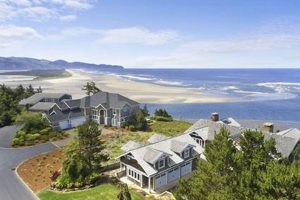
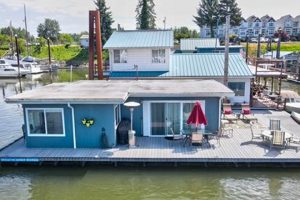
Properties situated along Oregon’s rivers, lakes, and coastline offer unique living experiences. These residences, defined by their direct access to and scenic views of the water, represent a significant segment of the state’s real estate market. Examples range from rustic cabins nestled on the banks of the Rogue River to modern architectural masterpieces overlooking the Pacific Ocean.
The allure of these properties lies in their recreational opportunities and aesthetic appeal. Proximity to water allows for activities such as boating, fishing, and swimming, contributing to an active lifestyle. Furthermore, these locations often provide a sense of tranquility and natural beauty, elements increasingly valued in residential settings. Historically, these areas have held economic and cultural significance, evolving from fishing and timber hubs to desirable residential locations.
The subsequent discussion will address the various types of dwellings available, geographic locations most commonly associated with these residences, price considerations, and factors influencing their market value. Understanding these components is essential for prospective buyers and those interested in the overall dynamics of Oregon’s real estate landscape.
Essential Considerations for Oregon Waterfront Properties
Purchasing a residence near the water requires careful evaluation of several factors to ensure a sound investment and a suitable living environment. Due diligence is paramount throughout the acquisition process.
Tip 1: Conduct Thorough Due Diligence: Before making an offer, investigate potential environmental concerns, such as flood risks, erosion patterns, and the presence of endangered species. Review historical data and consult with environmental specialists to assess potential long-term impacts.
Tip 2: Evaluate Access Rights: Clarify ownership rights related to the waterfront area. Confirm whether access to the water is private or shared and understand any associated restrictions or easements. Title searches and legal consultations are crucial in this step.
Tip 3: Assess Structural Integrity: Given the proximity to water, buildings may experience accelerated wear and tear. Engage a qualified structural engineer to inspect the property for signs of water damage, foundation issues, and corrosion. Obtain detailed reports and cost estimates for any necessary repairs.
Tip 4: Investigate Insurance Coverage: Waterfront properties often require specialized insurance policies, including flood insurance. Obtain quotes from multiple insurers and carefully review the coverage terms and limitations. Factor insurance costs into the overall budget.
Tip 5: Research Local Regulations: Familiarize oneself with local zoning regulations, building codes, and shoreline management policies. Restrictions may apply to construction, landscaping, and dock permits. Contact local planning departments for detailed information.
Tip 6: Consider Seasonal Variations: The desirability and usability of a waterfront property may vary significantly depending on the season. Evaluate the water levels, weather conditions, and recreational opportunities during different times of the year. Visit the property during both peak and off-peak seasons to gain a comprehensive understanding.
Tip 7: Evaluate Septic Systems and Water Sources: Septic systems near waterways require meticulous maintenance and may be subject to stringent regulations. If the property relies on well water, conduct thorough testing to ensure its safety and potability. Understand the system’s capacity and maintenance requirements.
Adhering to these guidelines can help mitigate potential risks and ensure a more informed decision when investing in residences adjacent to Oregon’s aquatic environments. A comprehensive approach is essential for a successful transaction.
The following sections will delve into specific regions known for these types of properties and explore current market trends impacting their valuation.
1. Location

The geographical positioning of a dwelling significantly influences its value and desirability within the Oregon real estate market. Proximity to diverse bodies of water, ranging from the Pacific coastline to inland rivers and lakes, creates distinct market segments with varying characteristics and price points.
- Coastal Proximity
Homes situated directly on the Oregon coast, offering unobstructed ocean views and immediate beach access, typically represent the highest end of the market. These properties are subject to coastal erosion and stringent building regulations, factors that contribute to their scarcity and elevated pricing. Examples include residences in Cannon Beach or Newport.
- Riverfront Access
Properties located along Oregon’s rivers, such as the Willamette or Rogue, provide opportunities for recreational activities like fishing and boating. Their value is influenced by river navigability, water quality, and proximity to urban centers. These locations often experience seasonal flooding, which must be considered during property assessment. Examples include homes along the Willamette River in Portland and those situated along the scenic Rogue River in Southern Oregon.
- Lakeside Settings
Homes bordering Oregon’s lakes, such as Crater Lake or Lake Oswego, offer unique aesthetic and recreational advantages. Their value depends on lake size, water clarity, and the level of surrounding development. Restrictions on motorized watercraft may also impact property desirability. Examples include homes in the Lake Oswego area and those near smaller, less developed lakes in Central Oregon.
- Urban vs. Rural Settings
The surrounding environmentwhether urban, suburban, or ruralalso impacts the appeal of waterfront residences. Urban locations may offer convenience and access to amenities, while rural settings provide increased privacy and natural surroundings. This trade-off influences both property value and lifestyle considerations. Waterfront condos in downtown Portland along the Willamette contrast sharply with remote cabins situated on the banks of the Umpqua River.
These location-specific characteristics collectively shape the market for dwellings situated near water in Oregon. Variations in access, environmental factors, and surrounding development create a diverse range of options for potential buyers, each with its own distinct value proposition.
2. Property Types
The typology of residential structures significantly affects the value, usability, and investment potential of dwellings adjacent to water in Oregon. Variations in architectural design, construction materials, and lot configurations contribute to a diverse range of properties tailored to different lifestyles and budgetary considerations.
- Single-Family Residences
Detached homes represent the most common type of structure, offering varying degrees of privacy and land ownership. These residences range from modest cottages to expansive estates, with values influenced by square footage, architectural style, and the extent of direct water access. Waterfront single-family homes may include private docks, boathouses, and extensive landscaping, directly impacting their desirability and market value. For example, a craftsman-style bungalow on the Nestucca River contrasts with a modern architectural home overlooking the Pacific Ocean near Gearhart.
- Condominiums and Townhouses
Multi-unit dwellings offer a more accessible entry point into the market, often providing shared waterfront amenities such as docks, pools, and recreational facilities. These properties typically involve homeowner association fees, which cover maintenance and upkeep of communal areas. Condominium ownership provides shared access to water, while detached townhouses offer increased privacy. Examples include waterfront condominiums in Portlands South Waterfront district and townhouses along the Columbia River in Astoria.
- Cabins and Cottages
Smaller, often rustic dwellings provide a more affordable option for those seeking recreational access to Oregon’s waterways. These properties may feature simpler construction and limited amenities, but they offer a direct connection to nature and outdoor activities. Cabins and cottages are frequently located in more remote areas, influencing accessibility and infrastructure. Examples include cabins along the Umpqua River and cottages near Diamond Lake.
- Luxury Estates
High-end properties represent the pinnacle of the market, featuring expansive square footage, premium finishes, and extensive waterfront frontage. These residences often include private docks, guesthouses, and meticulously landscaped grounds. Luxury estates are characterized by their exclusivity and commanding views, contributing to their premium valuations. Examples include estates overlooking the Pacific Ocean in Manzanita and those situated on large acreage along the Deschutes River.
The diverse range of available structures near Oregon’s waterways caters to a wide array of preferences and financial capabilities. Understanding the specific characteristics of each type, including its associated benefits and drawbacks, is crucial for informed decision-making within this unique real estate segment. These properties provide more than homes; they provide exclusive waterfront access that increases the property’s value.
3. Market Value
The market value of properties adjacent to Oregon’s bodies of water is a function of several interacting factors, each exerting a measurable influence on final pricing. Scarcity, location-specific amenities, and prevailing economic conditions are primary drivers of valuation within this unique real estate segment. Waterfront access directly enhances the inherent worth of a property, attracting discerning buyers willing to pay a premium for its associated lifestyle benefits. For instance, a comparable home located inland, absent the waterfront element, would typically command a significantly lower price point than a similar residence positioned directly on the Willamette River.
Economic forces, such as interest rates and employment trends, also exert considerable influence on the market value. Periods of low interest rates often stimulate demand, leading to increased competition and higher prices. Conversely, economic downturns can dampen demand, resulting in price reductions and extended marketing times. Real-world examples include the surge in demand for waterfront properties observed during periods of economic expansion, followed by price corrections during recessionary periods. Furthermore, specific features like deep-water moorage, private beaches, or unobstructed views can amplify a property’s market value, further differentiating it from inland counterparts.
Understanding the dynamics that underpin property valuation is crucial for both buyers and sellers in this market. Accurate pricing, based on comprehensive market analysis and professional appraisals, is essential for successful transactions. Failure to account for the multifaceted influences on market value can lead to overpayment, missed opportunities, or prolonged listing periods. Ongoing monitoring of market trends, coupled with informed decision-making, is key to navigating the complexities of Oregon’s waterfront real estate market. As such, assessing market value accurately is an essential component of the waterfront home buying/selling experience.
4. Accessibility

Accessibility, in the context of Oregon properties situated near water, encompasses more than physical entry to the residence itself. It extends to the ease of reaching the location, availability of essential services, and the ability to engage with the surrounding environment. These factors collectively influence the desirability and, consequently, the market value of such properties.
- Road Infrastructure
The quality and proximity of road networks significantly impact the desirability of waterfront properties. Residences located along well-maintained highways and with convenient access to major urban centers command higher values. Conversely, properties accessed via unpaved roads or requiring extensive travel times may experience reduced market demand. For example, a beachfront home readily accessible from Highway 101 will generally be more attractive than a similar property requiring a lengthy drive on a gravel road.
- Proximity to Amenities
The availability of essential services and amenities, such as grocery stores, healthcare facilities, and schools, influences the convenience and overall appeal of properties near water. Residences located within reasonable proximity to these resources offer a more balanced lifestyle, attracting a wider range of potential buyers. A waterfront condo within walking distance of downtown shops and restaurants will typically be more valuable than a comparable property located in a remote, underserved area.
- Water Access Rights
The legal right to access and utilize the adjacent body of water is a crucial aspect of accessibility. Properties with deeded water rights, including the ability to construct docks, moor boats, or draw water for irrigation, offer a distinct advantage. Restrictions on water usage or limited access rights can diminish the value and desirability of a waterfront residence. Waterfront homes lacking guaranteed access to water bodies, such as lakes or rivers, can face significant challenges in terms of usability and market appeal.
- Emergency Services
The availability of reliable emergency services, including fire protection, medical response, and law enforcement, is a critical consideration for all residential properties, particularly those situated in more remote locations. Adequate emergency services contribute to the safety and security of residents, enhancing the overall appeal of the area. Waterfront properties distant from emergency services may experience higher insurance rates and reduced buyer interest.
These elements of accessibility collectively shape the appeal and perceived value of residences situated near Oregon’s diverse waterways. Addressing these factors proactively is essential for both prospective buyers and sellers in this dynamic real estate segment. Accessibility, therefore, functions as a key consideration in valuing Oregon waterfront homes.
5. Water Rights

Water rights, in the context of residences near Oregon’s water bodies, are legal entitlements that govern the use and allocation of water resources. These rights are intricately linked to property values and the practical enjoyment of homes adjacent to rivers, lakes, and the coastline. The availability, scope, and security of water rights significantly impact a property’s desirability and market value. For example, a residence with established water rights for irrigation, domestic use, or dock construction holds a distinct advantage over a comparable property lacking such entitlements. These rights are not automatically conferred with property ownership and require careful investigation during the acquisition process.
Oregon operates under the prior appropriation doctrine, which prioritizes water rights based on the date of their establishment. Senior water rights holders have precedence over junior holders during periods of water scarcity, impacting the reliability of water access for various uses. This system necessitates thorough due diligence to assess the seniority and limitations of existing water rights associated with a specific property. Disputes over water rights can arise, leading to costly legal battles and potentially affecting property values. Properties along the Deschutes River, for instance, often involve complex water rights agreements due to competing demands for irrigation, municipal use, and environmental preservation.
The implications of water rights extend beyond individual property owners, influencing broader ecological and economic considerations. Sustainable water management practices are essential for maintaining healthy aquatic ecosystems and ensuring the long-term viability of waterfront communities. Understanding the legal framework, historical context, and potential conflicts surrounding water rights is crucial for making informed investment decisions and promoting responsible stewardship of Oregon’s valuable water resources. Ignoring the intricacies of water rights can lead to significant financial and operational challenges for those investing in these residences.
6. Environmental Factors

The market for residences adjacent to Oregon’s waterways is intrinsically linked to environmental factors, which exert a significant influence on property values, structural integrity, and long-term sustainability. These factors, ranging from natural processes like erosion and flooding to anthropogenic influences such as pollution and climate change, necessitate careful consideration by prospective buyers and existing homeowners. Ignoring these environmental considerations can lead to substantial financial liabilities and diminished quality of life. For instance, properties located in designated floodplains face elevated risks of water damage and may require costly flood insurance, directly impacting their market value.
Coastal erosion poses a persistent threat to waterfront properties along the Oregon coastline, necessitating protective measures such as seawalls and revetments. These structures, while mitigating erosion, can alter natural coastal processes and impact neighboring properties, creating complex legal and environmental challenges. Similarly, properties situated near rivers and lakes are susceptible to fluctuating water levels and potential bank instability, requiring ongoing monitoring and preventative maintenance. Real-world examples include homes along the Siletz River that have experienced significant erosion due to increased storm activity and altered river flows. Furthermore, regulations concerning septic systems and wastewater disposal near sensitive water bodies impose additional compliance requirements and potential costs on homeowners.
In summary, the interplay between environmental factors and property values is a critical aspect of Oregon’s waterfront real estate market. Understanding the potential risks and liabilities associated with specific locations is essential for informed decision-making and responsible stewardship of these valuable resources. Addressing environmental challenges proactively, through appropriate building practices, land management techniques, and compliance with environmental regulations, is crucial for preserving the long-term value and ecological integrity of residences near Oregon’s waterways. Sustainability and ecological mindfulness are essential to protect these properties.
7. Regulations

Regulations governing properties situated near Oregon’s waterways are multifaceted, encompassing zoning ordinances, building codes, environmental protection laws, and shoreline management policies. These regulations exert a profound influence on development possibilities, property values, and the long-term sustainability of waterfront communities. Compliance with these regulations is mandatory, and failure to adhere can result in significant fines, legal action, and restrictions on property usage.
- Zoning Ordinances
Zoning ordinances dictate permissible land uses, building heights, and setbacks along waterfront areas. These regulations aim to balance development with environmental protection and public access. For example, zoning restrictions may limit the density of new construction or require setbacks from the shoreline to preserve scenic views and protect sensitive habitats. Zoning regulations directly affect the development potential and market value of waterfront properties.
- Building Codes
Building codes establish minimum standards for construction materials, structural integrity, and safety features, particularly in areas prone to flooding, erosion, or seismic activity. Waterfront properties are subject to stricter building codes than inland residences, requiring elevated foundations, flood-resistant materials, and enhanced seismic reinforcement. Compliance with these codes ensures the safety of occupants and minimizes the risk of property damage due to natural hazards.
- Environmental Protection Laws
Environmental protection laws aim to safeguard water quality, protect sensitive habitats, and prevent pollution in waterfront areas. These laws regulate activities such as dredging, filling, and construction near waterways, requiring permits and environmental impact assessments. Regulations concerning septic systems, stormwater runoff, and erosion control are particularly stringent for waterfront properties. Noncompliance can result in significant fines and remediation requirements.
- Shoreline Management Policies
Shoreline management policies govern the use and development of coastal areas, aiming to balance economic development with environmental conservation and public access. These policies regulate activities such as beach access, dock construction, and shoreline stabilization, requiring permits and adherence to specific guidelines. Shoreline management policies often involve collaboration between state and local agencies, balancing the interests of various stakeholders, including property owners, environmental groups, and the general public.
The intricate web of regulations governing residences near Oregon’s water underscores the importance of due diligence and expert consultation. Prospective buyers should thoroughly investigate applicable regulations and obtain necessary permits before undertaking any construction or development activities. Compliance with these regulations is crucial for protecting property values, ensuring environmental sustainability, and fostering harmonious relationships within waterfront communities. Adherence to applicable regulations forms a fundamental component of owning Oregon properties adjacent to water.
Frequently Asked Questions
The following addresses common inquiries regarding the acquisition, ownership, and maintenance of residences situated along Oregon’s diverse waterways. These questions aim to provide clarity on essential aspects of these unique properties.
Question 1: What are the primary factors influencing the cost?
Location, property size, water frontage, view quality, and structural condition are key cost drivers. Market demand and prevailing economic conditions also significantly impact pricing.
Question 2: How does proximity to the ocean affect insurance rates?
Proximity to the ocean typically increases insurance premiums due to the heightened risk of wind damage, flooding, and erosion. Specialized flood insurance policies may be required.
Question 3: What considerations are essential when evaluating a property’s foundation?
Thoroughly assess the foundation for signs of water damage, cracking, settling, or corrosion. Engage a qualified structural engineer to conduct a detailed inspection and provide a comprehensive report.
Question 4: How do water rights affect the usability of a property?
Water rights determine the legal ability to use water from adjacent sources for irrigation, domestic purposes, or recreational activities. Understanding the scope and limitations of water rights is critical for property valuation and usability.
Question 5: What environmental regulations typically apply?
Environmental regulations often restrict construction activities, limit vegetation removal, and regulate septic systems near waterways. Compliance with these regulations is mandatory and subject to enforcement.
Question 6: What due diligence steps are crucial?
Crucial steps include title searches to verify ownership and easements, environmental assessments to identify potential hazards, and structural inspections to evaluate the property’s condition.
In summary, acquiring a residence near Oregon’s bodies of water requires careful consideration of numerous factors. Proactive due diligence and expert consultation are essential for making informed decisions and mitigating potential risks.
The subsequent section will provide a concluding overview of the complexities inherent in this specialized real estate market.
Conclusion
This examination of Oregon waterfront homes reveals a complex interplay of location, property type, market forces, accessibility, and regulations. The unique desirability of these residences stems from their proximity to Oregon’s diverse aquatic environments, a characteristic that simultaneously elevates their value and subjects them to heightened scrutiny regarding environmental impact and responsible stewardship.
Potential investors and homeowners are advised to conduct thorough due diligence, engaging qualified professionals to navigate the intricacies of this specialized real estate sector. The long-term value and sustainability of residences adjacent to Oregon’s waterways depend on informed decision-making and a commitment to responsible property management. This dedication will safeguard these properties for current and future generations.