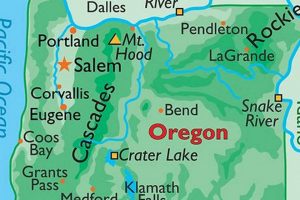
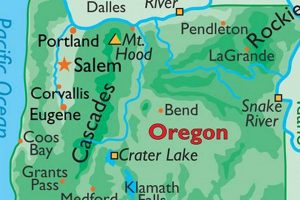
The city in Central Oregon transforms into a winter playground with a diverse range of recreational opportunities tailored to the colder months. These encompass various pursuits such as downhill skiing and snowboarding, cross-country skiing, snowshoeing, ice skating, and even sledding. The activities are influenced by the region’s climate, terrain, and infrastructure, making them distinct from summer or shoulder-season offerings.
Participation in these pursuits offers a multitude of benefits. It provides opportunities for outdoor exercise and recreation, promoting physical and mental well-being during a time when daylight hours are shorter. These activities contribute significantly to the local tourism economy, creating jobs and supporting local businesses. Historically, winter recreation has been a key driver of economic growth and community identity in the region.
The remainder of this article will delve into specific examples of these winter recreational offerings, examining popular destinations, necessary equipment, potential risks and safety precautions, and the overall experience for both residents and visitors.
Essential Guidance for Wintertime Pursuits in Central Oregon
Optimizing the experience of recreational pursuits during the colder months in this region requires careful planning and preparation. The following guidance will enhance enjoyment and mitigate potential risks.
Tip 1: Monitor Weather Conditions: Prior to engaging in any outdoor activity, thoroughly assess current and projected weather patterns. Mountain weather can change rapidly; therefore, consulting reliable sources is imperative for safety.
Tip 2: Dress Appropriately: Layering clothing is critical for managing body temperature. Moisture-wicking base layers, insulating mid-layers, and waterproof/windproof outer layers are recommended to maintain comfort and prevent hypothermia.
Tip 3: Utilize Appropriate Equipment: Ensure that all equipment, such as skis, snowshoes, or ice skates, is in good working order and properly fitted. Renting from reputable vendors ensures access to well-maintained and suitable gear.
Tip 4: Understand Avalanche Awareness: If venturing into backcountry areas, complete an avalanche safety course. Carry avalanche safety equipment, including a transceiver, probe, and shovel, and understand how to use them.
Tip 5: Stay Hydrated and Nourished: Cold weather can suppress the sensation of thirst, but adequate hydration is crucial. Carry water and high-energy snacks to maintain energy levels throughout the activity.
Tip 6: Be Aware of Altitude: The region’s elevation can exacerbate the effects of exertion. Acclimatize gradually and be mindful of symptoms of altitude sickness, such as headache, nausea, and fatigue.
Tip 7: Inform Others of Plans: Always inform someone of your planned route and estimated return time. This ensures that assistance can be sought if an emergency arises.
Adhering to these guidelines will significantly improve the safety and overall enjoyment of wintertime recreational pursuits. Proactive preparation allows for full appreciation of the region’s unique beauty and offerings.
The final section of this article will summarize the key benefits and provide direction for further exploration of wintertime recreation opportunities in the area.
1. Downhill Skiing/Snowboarding

Downhill skiing and snowboarding represent a cornerstone of winter recreation in the Central Oregon region. The area’s mountainous terrain and consistent snowfall create optimal conditions for these activities, solidifying their position as primary components of the region’s winter tourism and local culture.
- Mt. Bachelor as a Central Hub
Mt. Bachelor, a prominent volcanic peak, serves as the primary destination for downhill skiing and snowboarding. Its extensive skiable acreage, varied terrain suitable for all skill levels, and relatively long season attract a significant number of visitors and residents alike. The resort’s infrastructure, including multiple lifts and base facilities, is crucial to the viability of these activities.
- Economic Impact on Local Businesses
The presence of downhill skiing and snowboarding opportunities generates substantial revenue for local businesses. Hotels, restaurants, equipment rental shops, and retail outlets benefit directly from the influx of tourists drawn to the slopes. This economic activity contributes significantly to the overall prosperity of the region during the winter months.
- Community and Social Engagement
Downhill skiing and snowboarding foster a sense of community among residents. Ski clubs, group lessons, and social events centered around the sport provide opportunities for individuals to connect and share their passion for winter recreation. These activities are frequently integral to family traditions and social gatherings during the winter season.
- Environmental Considerations and Sustainability
The operation of downhill skiing and snowboarding facilities has environmental implications, including energy consumption, water usage for snowmaking, and potential impacts on local ecosystems. Efforts toward sustainability, such as renewable energy initiatives and responsible land management practices, are increasingly important for mitigating these impacts and ensuring the long-term viability of these activities.
The interwoven aspects of facilities, economic impact, community, and environment, illustrate the integral part played by Downhill Skiing/Snowboarding. These, coupled with safety elements and weather contribute to the multifaceted experience available. As such, they ensure continued popularity within Central Oregon.
2. Cross-Country Skiing/Snowshoeing

Cross-country skiing and snowshoeing represent integral facets of winter recreational options available in Central Oregon. These pursuits offer alternatives to downhill skiing, emphasizing cardiovascular fitness, exploration of natural landscapes, and engagement with the winter environment at a more moderate pace.
- Accessibility and Affordability
Compared to downhill skiing, cross-country skiing and snowshoeing generally require less specialized equipment and offer access to a wider range of trails, including those managed by the US Forest Service and local parks. This increased accessibility reduces barriers to entry and makes these activities attractive to a broader segment of the population seeking “bend oregon activities winter”.
- Exploration of Scenic Landscapes
Cross-country skiing and snowshoeing provide opportunities to explore the region’s scenic beauty, including snow-covered forests, frozen lakes, and mountain vistas. Numerous designated trails cater to varying skill levels, allowing individuals to immerse themselves in the winter landscape and appreciate the natural environment, which is an integral part of the winter experience.
- Health and Wellness Benefits
These activities offer significant health benefits, including cardiovascular conditioning, muscular endurance, and stress reduction. The low-impact nature of cross-country skiing and snowshoeing makes them suitable for individuals of varying ages and fitness levels seeking to maintain an active lifestyle during the winter months. They contribute to mental and physical wellness, important during the shorter days of winter.
- Environmental Considerations
Cross-country skiing and snowshoeing generally have a lower environmental impact compared to mechanized winter sports. However, responsible trail use, including staying on designated paths and minimizing disturbance to wildlife, is essential for preserving the integrity of the natural environment. Public awareness and education play a role in mitigating potential impacts associated with these activities.
The integration of cross-country skiing and snowshoeing into the framework of “bend oregon activities winter” showcases the diversity of recreational options available. The accessibility, health benefits, and opportunities for exploring the natural environment contribute to their enduring popularity within the region. The comparatively low impact they make on the environment increases their long term sustainability.
3. Ice Skating Options
Ice skating constitutes a supplementary aspect of winter recreation in Central Oregon, providing both indoor and outdoor venues for engaging in this activity. It serves as an alternative to snow-dependent pursuits, broadening the range of experiences available during the colder months.
- Outdoor Rinks and Seasonal Availability
Seasonal outdoor ice rinks often operate in the region, typically dependent on sustained periods of freezing temperatures. These rinks, when available, offer a unique experience, allowing participants to skate in an open-air environment. Availability is variable, contingent upon weather patterns and maintenance capabilities.
- Indoor Ice Arenas and Year-Round Access
Indoor ice arenas provide consistent access to ice skating regardless of external weather conditions. These facilities often offer public skating sessions, figure skating programs, and hockey leagues, catering to a variety of skill levels and interests. These venues ensure that ice skating remains a viable recreational option throughout the winter and year-round.
- Community Engagement and Social Activity
Ice skating frequently serves as a community activity, fostering social interaction among participants. Rinks often host events, such as holiday-themed skating sessions and group lessons, encouraging individuals and families to engage in recreational pursuits together. This social aspect contributes to the overall appeal of ice skating as a winter pastime.
- Physical Fitness and Skill Development
Ice skating provides a form of physical exercise, promoting balance, coordination, and cardiovascular fitness. Participants can develop skating skills through practice and instruction, enhancing their proficiency and enjoyment of the activity. The physical and mental engagement involved contributes to a sense of well-being during the winter months.
The inclusion of ice skating options within the context of “bend oregon activities winter” broadens the appeal of the region as a winter destination. While dependent on weather conditions for outdoor rinks, indoor facilities provide a reliable alternative, ensuring consistent access to this recreational activity and enriching the overall winter experience.
4. Sledding/Snow Tubing

Sledding and snow tubing represent accessible and family-oriented components of winter recreation in Central Oregon. Their significance within the broader spectrum of “bend oregon activities winter” stems from their ability to provide recreational opportunities for a wide range of ages and skill levels, often at a lower cost than more specialized activities. The availability of designated sledding hills and snow tubing parks directly enhances the winter experience for families and individuals seeking casual outdoor entertainment.
The appeal of sledding and snow tubing lies in their simplicity and lack of required expertise. For example, areas like Pilot Butte State Park and certain sections of Wanoga Sno-Park become popular destinations after snowfall, attracting residents and visitors alike. Organized snow tubing parks, on the other hand, offer a more controlled environment with designated lanes and lift services, increasing safety and convenience. The economic impact, while less substantial than downhill skiing, is still notable, as local businesses benefit from increased foot traffic at these locations, with purchases including hot beverages, snacks, and sled rentals.
However, it is crucial to recognize potential safety hazards associated with these activities. Uncontrolled sledding on unsuitable terrain can lead to injuries. Therefore, selecting designated sledding areas that are free from obstacles and actively supervised is paramount. Public awareness campaigns highlighting safety precautions, such as wearing helmets and avoiding overcrowding, are essential for minimizing risks. In summary, sledding and snow tubing contribute significantly to the diversity of “bend oregon activities winter”, providing accessible and enjoyable recreational opportunities while necessitating a strong emphasis on safety awareness and responsible practices.
5. Indoor Recreation Alternatives

Inclement weather conditions, shorter daylight hours, or personal preferences may lead individuals to seek indoor alternatives to outdoor winter pursuits. The availability of diverse indoor recreation options significantly bolsters the overall appeal of Central Oregon as a comprehensive winter destination. These options counterbalance the inherent variability of outdoor activities, providing consistent and accessible alternatives.
Examples of indoor recreation alternatives include climbing gyms, which offer structured physical activity and skill development; breweries and restaurants, which provide social spaces and culinary experiences; museums and art galleries, which foster intellectual and cultural engagement; and indoor swimming pools and fitness centers, which promote physical well-being. The presence of these alternatives mitigates the potential for visitor dissatisfaction during periods of unfavorable weather, thereby sustaining tourism and supporting local businesses year-round. Furthermore, these indoor activities appeal to a broader demographic, including those who may not be physically capable of participating in strenuous outdoor activities or who prefer a more controlled environment.
In essence, the availability of indoor recreation alternatives enhances the resilience of the region’s winter tourism economy and contributes to the overall quality of life for residents. These options function as a crucial buffer, ensuring that Central Oregon remains a viable and attractive destination even when outdoor conditions are less than ideal. Their presence diversifies the recreational landscape, catering to a wide range of interests and physical capabilities, solidifying the area’s status as a well-rounded winter destination.
Frequently Asked Questions
The following questions address common inquiries regarding winter recreation opportunities. They are intended to provide clarification and guidance for individuals planning to engage in pursuits during the colder months.
Question 1: What are the primary factors determining the duration of the ski season at Mt. Bachelor?
The length of the ski season is primarily dictated by snow accumulation and weather patterns. Sufficient snowpack is essential for maintaining skiable terrain, and prolonged periods of mild temperatures can negatively impact conditions, potentially shortening the season.
Question 2: What safety precautions should be taken when sledding or snow tubing?
Selecting designated sledding areas free from obstacles and wearing helmets are critical safety measures. Supervision of children is also essential. Overcrowding on sledding runs should be avoided to prevent collisions.
Question 3: What are the potential hazards associated with backcountry cross-country skiing or snowshoeing?
Avalanche risk constitutes a significant hazard in backcountry areas. Individuals venturing into such terrain should possess avalanche safety training, carry appropriate equipment (transceiver, probe, shovel), and monitor avalanche forecasts. Hypothermia is another potential concern, necessitating proper layering of clothing and adequate hydration.
Question 4: Are there alternative activities available in the region when outdoor conditions are unfavorable?
Yes, a variety of indoor recreation options are available, including climbing gyms, breweries, museums, and fitness centers. These alternatives provide opportunities for physical activity, social engagement, and cultural enrichment regardless of external weather conditions.
Question 5: What is the recommended attire for engaging in outdoor activities during the winter months?
Layering clothing is essential for managing body temperature effectively. Moisture-wicking base layers, insulating mid-layers, and waterproof/windproof outer layers are recommended to maintain comfort and prevent hypothermia. Warm hats, gloves, and waterproof boots are also crucial.
Question 6: Where can current information on trail conditions for cross-country skiing and snowshoeing be obtained?
The US Forest Service and local recreation organizations typically provide up-to-date information on trail conditions. Online resources and ranger stations are reliable sources for obtaining current information prior to embarking on a trip.
These frequently asked questions provide concise information to make informed plans. Awareness of safety precautions and alternative activities is valuable when venturing into “bend oregon activities winter”.
The subsequent section will provide a summarization of the key points outlined in this article.
Conclusion
The examination of winter activities in Central Oregon reveals a spectrum of recreational opportunities ranging from downhill skiing and snowboarding at Mt. Bachelor to cross-country skiing, snowshoeing, ice skating, and sledding. The region’s climate and topography significantly influence the availability and suitability of these pursuits. Safety considerations, including weather monitoring, appropriate attire, and avalanche awareness, are paramount for ensuring a positive experience. Indoor recreation alternatives offer additional options when outdoor conditions are less favorable.
The continued promotion of responsible recreation practices, coupled with ongoing investment in infrastructure and sustainable tourism initiatives, will be crucial for preserving the integrity of Central Oregon as a premier winter destination. Furthermore, public education efforts focusing on safety and environmental stewardship are essential for mitigating risks and ensuring the long-term viability of these activities, solidifying the region’s appeal for future generations.