Vehicles left unattended on public or private property within the city limits of Portland, Oregon, for an extended period without the owner’s permission or apparent intent to return are considered abandoned. These conveyances often exhibit signs of disrepair, missing components, or expired registration, signaling a lack of active maintenance or ownership.
Addressing the issue of derelict automobiles provides numerous advantages for the community. Removal improves neighborhood aesthetics, reduces potential safety hazards, and reclaims public spaces for legitimate use. Historically, cities have struggled with managing discarded automobiles, necessitating the development of specific regulations and enforcement mechanisms.
The subsequent sections will delve into the process of reporting and removing these vehicles, applicable city ordinances, and the potential consequences for individuals who fail to properly dispose of unwanted cars within the jurisdiction.
Managing Abandoned Vehicles in Portland, Oregon
Navigating the regulations surrounding inoperable or derelict automobiles requires diligence and adherence to city ordinances. The following guidelines offer critical insights.
Tip 1: Familiarize Yourself with City Ordinances: Portland’s city code provides detailed definitions of what constitutes a derelict vehicle and outlines the legal framework for its removal. Consult the relevant sections of the code for specific requirements.
Tip 2: Report Suspicious Abandonments Promptly: If a vehicle appears to be abandoned on public property, contact the Portland Bureau of Transportation (PBOT) or the local police precinct. Provide accurate information about the vehicle’s location, condition, and any identifying details.
Tip 3: Document the Vehicle’s Condition: When reporting, take photographs or videos of the car, noting any damage, missing parts, or expired registration tags. This documentation can assist authorities in their investigation and removal efforts.
Tip 4: Understand Private Property Responsibilities: Property owners are responsible for the removal of abandoned vehicles on their land. The city may issue notices requiring landowners to address such situations within a specified timeframe.
Tip 5: Follow Proper Disposal Procedures: When disposing of an unwanted car, ensure compliance with environmental regulations and utilize licensed recycling facilities or salvage yards. Improper disposal can result in fines and other penalties.
Tip 6: Retain Documentation of Disposal: Keep records of any transactions related to the sale or disposal of the vehicle, including receipts, bills of sale, and vehicle identification number (VIN). This documentation serves as proof of proper handling and relinquishes ownership responsibility.
Adhering to these recommendations promotes responsible vehicle ownership and helps maintain the quality of life within Portland’s neighborhoods.
The subsequent section will explore legal consequences and challenges related to the management of discarded motorcars.
1. Reporting Process

The reporting process serves as the initial and fundamental step in addressing the problem of discarded automobiles within Portland, Oregon. When a vehicle appears abandoned, its discovery and subsequent report trigger a sequence of actions by the city and potentially private property owners. The efficacy of the city’s response directly correlates with the efficiency and accuracy of this initial report. A clear, concise, and factually correct report allows authorities to quickly assess the situation and initiate appropriate procedures for vehicle identification, owner notification, and eventual removal.
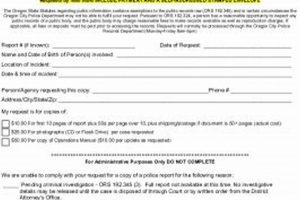
The typical reporting process involves contacting the Portland Bureau of Transportation (PBOT) or the local police precinct. Citizens are expected to provide details such as the vehicle’s location (including street address or cross-streets), a description of the vehicle (make, model, color), license plate number (if visible), and any observable signs of disrepair or abandonment (flat tires, broken windows, excessive dirt, missing parts). Photographic or video evidence can significantly aid the investigation. Without citizen reporting, many discarded vehicles would remain indefinitely, posing safety hazards and detracting from neighborhood aesthetics.
In summary, a well-defined and effectively executed reporting process is crucial for managing the prevalence of derelict motorcars. It acts as the primary conduit for bringing these situations to the attention of relevant authorities, enabling the city to enforce its ordinances and maintain public spaces. Challenges remain in ensuring consistent and timely reporting across all neighborhoods and in streamlining the investigation and removal process following a report.
2. City Ordinances

Portland’s city ordinances play a fundamental role in regulating the management of discarded automobiles. These ordinances define what constitutes abandonment, establishing criteria such as the vehicle’s physical condition, location, and the duration it remains unattended. They outline the legal processes for identifying owners, issuing notifications, and ultimately removing derelict vehicles from both public and private property. Without these regulations, the city would lack the legal authority to address the problem effectively, leading to a proliferation of abandoned cars and associated safety and environmental hazards. A clear example is the specific timeframe stipulated in the code typically exceeding 24 hours on a public right-of-way or a longer period on private property without the owner’s consent that triggers the ‘abandoned’ designation.
The practical significance of these ordinances extends beyond mere removal. They establish a framework for holding vehicle owners accountable for proper disposal, deterring illegal dumping, and encouraging responsible vehicle ownership. Enforcement of the ordinances often involves issuing citations to vehicle owners or property owners who fail to comply with removal requests. Moreover, the ordinances address related issues such as the storage of inoperable vehicles on private property, restricting such activity to prevent blight and maintain neighborhood aesthetics. The specific fines and penalties outlined in the city code provide a tangible disincentive for neglecting vehicle disposal responsibilities.
In summary, Portland’s city ordinances concerning abandoned automobiles serve as the legal backbone for managing this issue. They provide a clear definition of abandonment, outline the process for removal, and establish consequences for non-compliance. While enforcement can be challenging due to resource constraints and legal complexities, the existence of these ordinances is essential for maintaining public safety, preserving neighborhood aesthetics, and protecting the environment. The effectiveness of these ordinances, however, relies heavily on consistent enforcement and public awareness.
3. Removal Costs

The removal of discarded vehicles in Portland, Oregon, incurs a range of costs that impact both the city and private property owners. These expenses are directly associated with the entire process of identifying, processing, and disposing of derelict automobiles. The financial burden stems from labor, equipment, and administrative overhead required to enforce ordinances related to abandoned cars. Specifically, the city bears the expense of towing vehicles from public property, storing them at impound lots, and attempting to notify registered owners. If the owner fails to claim the vehicle, the city may incur additional costs for dismantling, recycling, or ultimately disposing of the car’s remains. The accumulation of these expenses places a strain on municipal resources.
Private property owners also face financial implications when a car is discarded on their land. While the city may provide initial notification services, the responsibility for removing the vehicle often falls on the landowner. This can necessitate hiring a towing company and paying associated fees, which can vary depending on the vehicle’s size, condition, and accessibility. Furthermore, if the landowner fails to address the situation within a prescribed timeframe, the city may step in to remove the vehicle and subsequently bill the property owner for the incurred costs. This illustrates a direct financial consequence for neglecting to comply with city ordinances regarding discarded vehicles. The financial burden is particularly impactful for owners of multi-family residential buildings, where illegally abandoned cars in parking lots are common.
In summary, removal costs are an integral component of the abandoned cars problem in Portland. These costs represent a significant financial strain on both the city and private citizens. Addressing the issue effectively necessitates a combination of proactive enforcement, efficient disposal processes, and potentially, the implementation of cost-recovery measures to mitigate the financial burden on taxpayers and property owners. By understanding the economic implications, stakeholders can develop more sustainable strategies for preventing and managing the issue of discarded vehicles within the city.
4. Property Rights

Property rights are central to the handling of derelict vehicles within Portland, Oregon. The presence of an unauthorized car on private land infringes upon the owner’s right to exclusive use and enjoyment of that property. This infringement generates a legal basis for the property owner to demand the vehicle’s removal. City ordinances reflect this principle by assigning responsibility for addressing derelict automobiles to the landowners, thus aligning legal requirements with established property rights. A real-world example is a residential property owner discovering a non-operational car left on their driveway; they possess the right to have it towed, although navigating the city’s notification and removal procedures is often necessary.
The interaction between property rights and the abandonment of automobiles extends beyond the immediate act of trespass. It encompasses the responsibility for maintaining property in a manner that does not create a public nuisance. An accumulation of derelict cars on a property, even if legally owned by the landowner, could constitute such a nuisance, potentially leading to city intervention and enforcement actions. This situation creates a balance between the owner’s right to possess property and the city’s authority to regulate activities that negatively impact the community. For example, a salvage yard storing numerous derelict vehicles must adhere to specific regulations regarding storage, screening, and environmental protection, reflecting the limitations on property rights imposed by community standards.
In summary, property rights are a critical factor in the management of discarded automobiles in Portland. These rights provide the foundation for both the landowner’s ability to demand removal and the city’s authority to regulate property use for the benefit of the community. Challenges exist in balancing individual property rights with the collective interest in maintaining safe and aesthetically pleasing neighborhoods. Understanding this interplay is essential for effective enforcement of city ordinances and the responsible disposal of unwanted vehicles.
5. Environmental Impact

Derelict automobiles present a significant environmental burden, a crucial component of the “abandoned cars portland oregon” issue. These vehicles contain hazardous materials, including lead-acid batteries, mercury switches, and fluids such as motor oil, antifreeze, and brake fluid. If improperly handled, these substances can leach into the soil and contaminate groundwater, posing risks to human health and ecosystems. For instance, leaking oil from a discarded engine can pollute nearby waterways, harming aquatic life and potentially contaminating drinking water sources. The accumulation of these vehicles also contributes to visual blight and can attract pests, further impacting the environment.
The proper management of abandoned automobiles necessitates adherence to strict environmental regulations. Recycling efforts are crucial for recovering valuable materials like steel, aluminum, and glass, reducing the need for resource extraction and minimizing landfill waste. Depollution procedures, involving the safe removal and disposal of hazardous fluids and components, are essential to prevent environmental contamination. Several Portland-area salvage yards specialize in dismantling vehicles and recovering reusable parts, thereby minimizing the environmental footprint of automotive waste. Furthermore, regulations regarding refrigerant recovery are essential to prevent the release of ozone-depleting substances into the atmosphere. Ignoring these crucial steps exacerbates the problem, leading to potential fines and long-term ecological damage.
The environmental impact of derelict motorcars underscores the importance of responsible vehicle disposal practices. Initiatives promoting vehicle donation programs and facilitating accessible recycling options can mitigate the negative environmental consequences. Education campaigns are equally crucial to raise awareness among vehicle owners about the environmental risks associated with abandonment and the availability of environmentally sound disposal alternatives. Addressing the “abandoned cars portland oregon” issue requires a comprehensive approach that integrates environmental protection with enforcement efforts and public awareness initiatives.
6. Enforcement Authority
The effective management of derelict vehicles in Portland, Oregon, hinges on the strength and scope of its enforcement authority. The authority’s capacity to investigate, issue citations, and remove vehicles directly impacts the prevalence of abandoned cars and the overall success of related ordinances. Without a robust enforcement framework, the issue is likely to escalate, diminishing community safety and aesthetic standards.
- Investigative Powers
Enforcement agencies possess the power to investigate reports of abandoned cars, verifying ownership, assessing vehicle condition, and determining compliance with city ordinances. This process often involves accessing vehicle registration databases and conducting on-site inspections. For example, an officer might check the VIN to determine if a vehicle has been reported stolen or if it is subject to outstanding fines, directly affecting the potential course of action.
- Citation and Fine Issuance
When a vehicle is found to be in violation of city ordinances, the enforcement authority can issue citations to the registered owner or the property owner. These citations typically include fines and deadlines for corrective action, such as vehicle removal. A property owner who fails to remove a derelict vehicle after receiving a citation may face escalating fines or even legal action, illustrating the direct consequences of non-compliance.
- Vehicle Towing and Impoundment
The enforcement authority has the power to tow and impound abandoned vehicles, particularly those posing a safety hazard or obstructing public right-of-way. This action is often preceded by attempts to notify the vehicle owner, but in cases of immediate danger or failure to respond, the vehicle can be removed swiftly. The fees associated with towing and impoundment serve as a financial disincentive for vehicle abandonment.
- Legal Recourse and Prosecution
In cases of repeated violations or egregious offenses, the enforcement authority can pursue legal action against individuals or entities responsible for abandoned vehicles. This may involve filing lawsuits, seeking injunctions, or pursuing criminal charges for illegal dumping or environmental violations. A persistent offender who repeatedly abandons vehicles on public streets might face prosecution, resulting in significant fines or even jail time.
The multifaceted nature of enforcement authority is essential for addressing the complex problem of “abandoned cars portland oregon.” It provides the legal mechanisms for identifying, addressing, and preventing vehicle abandonment, ensuring compliance with city ordinances and safeguarding the community’s well-being. Effective enforcement requires adequate resources, trained personnel, and ongoing collaboration between city agencies and community stakeholders.
Frequently Asked Questions
The following section addresses common inquiries regarding the management of abandoned vehicles within the city limits.
Question 1: What constitutes a derelict vehicle according to Portland city code?
Portland’s city code defines a derelict vehicle as one left unattended on public or private property for an extended period, exhibiting signs of disrepair, lacking current registration, or appearing to be abandoned by the owner.
Question 2: How does one report a suspected abandoned vehicle?
Reports should be directed to the Portland Bureau of Transportation (PBOT) or the local police precinct. Provide accurate information about the vehicle’s location, condition, and identifying details.
Question 3: Is a property owner responsible for vehicles left on their property?
Yes, property owners are generally responsible for the removal of unauthorized or derelict automobiles from their land and may be subject to city notices requiring remediation.
Question 4: What are the potential consequences of abandoning a vehicle in Portland?
Vehicle owners may face fines, penalties, and legal action, in addition to responsibility for towing, storage, and disposal costs.
Question 5: How does the city determine ownership of an abandoned car?
Authorities typically utilize vehicle identification numbers (VIN) and license plate information to access state and national databases to identify registered owners.
Question 6: What happens to vehicles that are impounded by the city?
Impounded vehicles are stored at designated facilities. Owners are notified and given a timeframe to claim the vehicle after paying applicable fees. Unclaimed vehicles may be sold, dismantled, or recycled.
Understanding these facets of Portland’s regulations concerning abandoned vehicles is crucial for responsible vehicle ownership and community maintenance.
The subsequent section will explore community programs and preventative strategies for managing derelict automobiles.
Abandoned Cars Portland Oregon
This exploration of “abandoned cars portland oregon” has highlighted the multifaceted nature of the issue, encompassing legal regulations, environmental concerns, and community responsibilities. Addressing the problem requires a coordinated approach involving proactive enforcement, public awareness campaigns, and responsible disposal practices. Neglecting these critical elements can lead to a decline in neighborhood aesthetics, increased safety hazards, and potential environmental damage.
The continued prevalence of derelict automobiles necessitates a renewed commitment to community stewardship and adherence to city ordinances. By actively reporting suspected abandoned vehicles and promoting responsible vehicle disposal, residents can contribute to a safer, cleaner, and more sustainable Portland. The long-term success in mitigating this issue depends on collective action and a dedication to upholding community standards.